
The Allure of Risk and Reward
The psychology of gambling is intricately tied to the concepts of risk and reward. When individuals step into a casino, they are often drawn by the potential for significant financial gain. This drive is rooted in the human desire for excitement and the thrill of taking risks. Casinos strategically design their environments to amplify this allure, with bright lights, enticing sounds, and stimulating visuals that create an atmosphere of anticipation and opportunity. Interestingly, those seeking quick financial returns might consider the fastest payout online casino canada to enhance their gambling experience.
Moreover, the possibility of winning influences emotional responses. The intermittent reinforcement schedule—where wins are unpredictable—creates a compelling dynamic that keeps players engaged. Even small wins can trigger dopamine release in the brain, fostering a cycle of repeated play as individuals chase the feeling of euphoria associated with winning, even if it is fleeting.
Emotional and Psychological Triggers
Various emotional and psychological triggers play a crucial role in why people gamble. For many, gambling serves as an escape from everyday stresses and challenges. It provides a temporary respite, allowing individuals to immerse themselves in an alternate reality filled with excitement and potential. This escape can be particularly appealing for those facing difficult situations or seeking distraction from personal issues.
Additionally, social dynamics significantly contribute to the gambling experience. The atmosphere in casinos often encourages social interaction, creating a sense of community among players. This social aspect can enhance enjoyment and provide a support network, which in turn can reinforce the decision to return to the casino and partake in gambling activities.
The Role of Cognitive Biases
Cognitive biases heavily influence gambling behavior. Players often succumb to the illusion of control, believing they can influence game outcomes through skill or strategy, even in games primarily determined by chance. This misconception can lead to overconfidence and increased wagering, driving individuals back to casinos in pursuit of perceived mastery.
Another common bias is the gambler’s fallacy, where individuals irrationally believe that past outcomes affect future results. For example, if a slot machine has not paid out recently, a player may assume that a win is “due,” prompting them to play longer and invest more money in hopes of a forthcoming jackpot. Such biases underscore how human psychology can skew judgment, leading to increased gambling activities and potential addiction.
The Impact of Advertising and Casino Design
The strategic marketing efforts by casinos and their architectural designs significantly shape visitor behaviors. Casinos invest heavily in advertising to create a brand allure that appeals to potential customers. Promotions, rewards programs, and visually captivating designs are crafted to draw in visitors, fostering an environment where gambling becomes a primary entertainment choice.
In addition to advertising, the layout of a casino is designed to keep players engaged and disoriented. By strategically placing games, restaurants, and amenities, casinos encourage visitors to stay longer, often leading to increased gambling. The absence of clocks and windows enhances the feeling of timelessness, making it easy for players to lose track of time and prolong their stay.
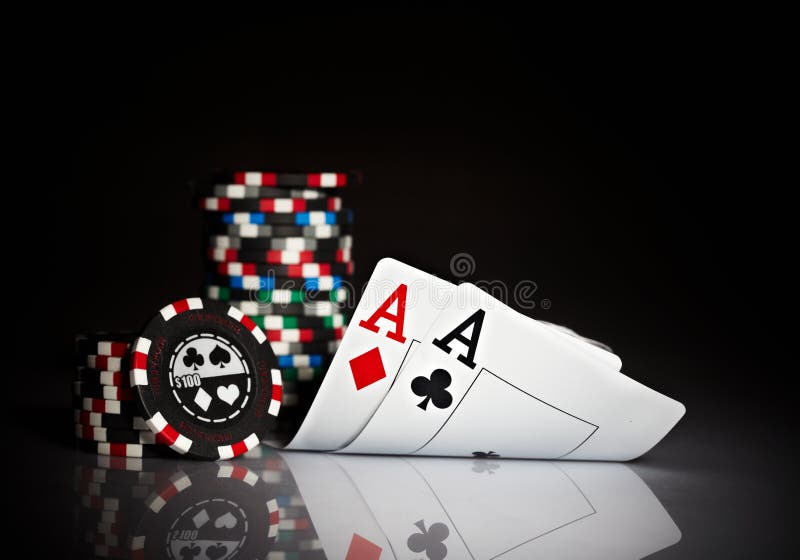
Understanding the Psychology of Casino Visitors
The exploration of gambling psychology goes beyond mere entertainment; it delves into complex behavioral patterns that influence individuals’ choices and experiences. By understanding the underlying motivations—such as emotional relief, social interaction, and cognitive biases—stakeholders can develop more effective strategies for responsible gambling practices. This understanding is crucial for promoting healthier habits in gaming environments.
Ultimately, as we navigate the intricate relationship between psychology and gambling, it becomes evident that both operators and players need to foster a more conscious approach to gambling. Knowledge about these psychological drivers can contribute to better decision-making and promote a balanced relationship with gambling activities, ensuring that they remain a form of entertainment rather than a path to addiction.